

Sparcraft Masts South Africa has been selected by the iconic Clipper Round the World Yacht Race to supply critical components for an innovative fourth-generation global ocean racing fleet.
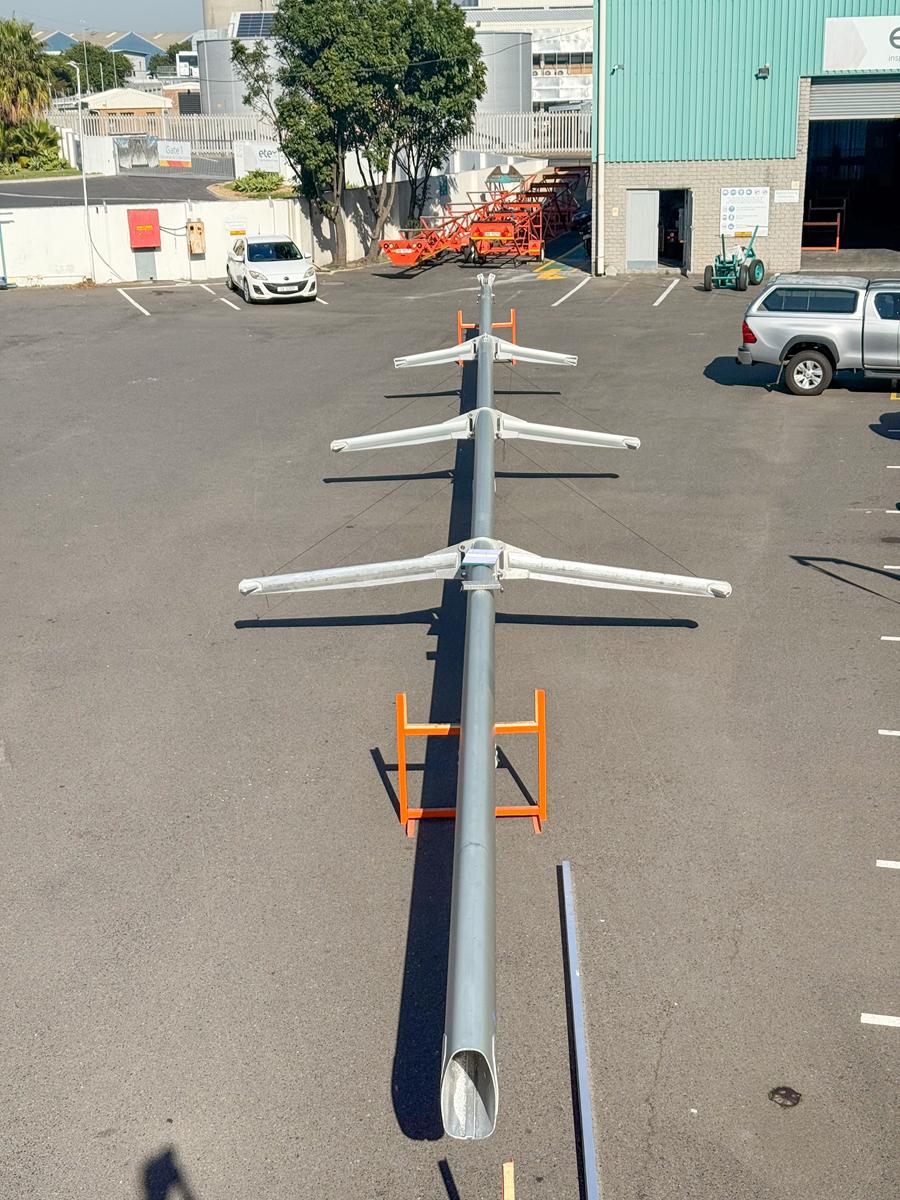
The company will provide custom, one-design aluminium masts and booms for a fleet of 12 x 72 foot matched, stripped down, and fully crewed ocean racing yachts.
Named the Clipper RX, the yacht design is an evolution of three previous generations of Clipper Race fleets and is designed to provide its crew with the ultimate race experience.
Only the most robust high-quality components have qualified for inclusion in this remarkable ocean racer which will face some of the most extreme conditions on the planet.
Company spokesperson Chris James, Managing Director of Sparcraft Masts South Africa, says:
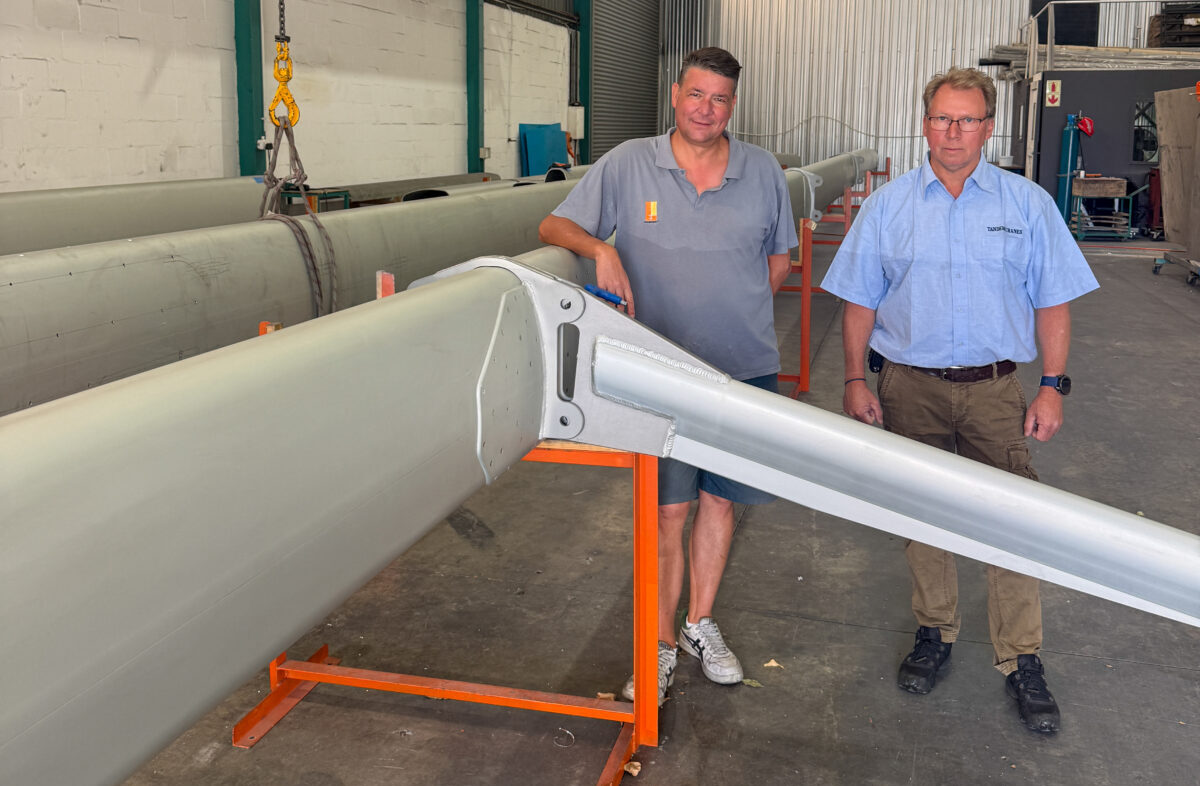
‘We are extremely proud to have been selected to design and manufacture the custom, one-design spar packages for the fourth-generation Clipper Race fleet. It has been a privilege to work closely with the Clipper team throughout the design, manufacturing and supply process, combining their vision and decades of ocean racing experience with our own rig-building and manufacturing expertise.
This new Clipper fleet represents a significant step forward in offshore one-design yacht engineering. Our focus has been on delivering a robust, high-quality spar package that will perform reliably and safely while enduring the demands of multiple round-the-world races. To see our masts at the heart of this next generation of Clipper yachts is a very meaningful milestone for our entire team.’
Product info
Sparcraft Masts South Africa is supplying a complete custom, one-design aluminium spar package for the Clipper RX fleet, engineered specifically for long-distance, round-the-world ocean racing and repeated global circumnavigations.
Mast
29 m triple spreader mast
Section dimensions: 460 mm x 250 mm
Material: 6061 T6 aluminium
Boom
Length: 9.3 m
Section dimensions: 360 mm x 205 mm
Material: 6061 T6 aluminium
The Clipper Race is unique in that it trains people from diverse walks of life to become competent non-professional sailors. While many take on the full circumnavigation of the globe, covering around 45,000 miles over 11 months to race between six continents
The Clipper RX design concept is based on 30 years’ experience of circumnavigating the globe 14 times and feedback from over 7000 crew participants. Naval architects have translated that concept into a robust, fast and seaworthy, vessel with superior safety features integrated seamlessly into a high-performance ocean racing yacht designed for the extreme conditions faced by Clipper Race crew in this unique biennial ocean race around the planet.
The new design project has been led and coordinated by yachting legend Sir Robin Knox-Johnston (the first person to sail solo non-stop around the world in 1968-69) who established the race operating company Clipper Ventures in 1995 and is now its chairman together with co-founder and CEO William Ward OBE.
Sir Robin states:
“The Clipper RX design benefits from everything we’ve learned. It will provide a safe yet exhilarating experience for the crews who take on this unrivalled adventure.
“We operate stringent quality standards and the critical components we’ve selected reflect our confidence in their ability to perform in the extreme environments our crews face.”
Clipper Ventures CEO William Ward OBE adds:
“I am very proud to see what we’ve achieved over the last 30 years to take the company from strength to strength, The experience we’ve amassed is exceptional and has been applied to this major investment in a new fleet that will take us through our fourth decade.”
The hulls of the 12-strong fleet are being built at a shipyard in Qingdao, China, and will start to be shipped to the UK later this year. They are anticipated to enter service for the 15th edition of the Clipper Round the World Yacht Race starting late summer 2027.
The 14th edition of the Clipper Round the World Yacht Race is currently on stopover in Airlie Beach in The Whitsundays, Queensland, before starting Leg 5 – The Asia-Pacific Challenge to Qingdao in China, where the new Clipper RX fleet and current Clipper 70 hulls are manufactured.
The Clipper Race will be presenting details of the Clipper RX in public for the first time when Sir Robin Knox-Johnston speaks at the world’s largest yacht and watersports show, Boot Düsseldorf 2026, in Germany, on Sunday 18 January at 14.30 CET at the Sailing Centre stage in Hall 15. Further details will be available at the Clipper Race stand C23 in Hall 15 for the duration of the show, 17-25 January 2026.
BACKGROUND
The Clipper RX
The Clipper Round the World Yacht Race has pooled the experience of its professional operations team and over 7000 crew, who have participated in 14 global race editions since 1996, to create a new bespoke design concept in-house.
The unique event trains non-professional sailors to compete aboard fully-crewed matched stripped-down ocean racing yachts, taking on the full circumnavigation or one or more of eight individual legs.
The new yacht concept has been translated into the final design by the experienced team at Fish Marine Design | Composites (MDC) in Hampshire with hull lines by world-famous British naval architect Nigel Irens, incorporating a new distinctive bow shape.
The Clipper RX features a dreadnought bow and a wider foredeck brings the forestay inboard, allowing full deck access even forward of the outer forestay. The simplicity and robustness of hanked-on headsails is retained.
The wider foredeck design and more buoyant bow will make headsail changes easier for crew who should also remain dryer. Deck protection is enhanced with the addition of deck cuddies at two watertight companionways offering quick access from below to the mid-cockpit and twin helms.
The cuddies provide on-watch crew and helmsmen more shielding from the elements and water sweeping the decks. The two companionways minimise the need to traverse the length of the deck resulting in even further advances in crew safely.
The design provides for versatile performance both upwind and downwind. Transom hung rudders provide more directive power and are also easier to repair or replace; a break away fuse ensures they will kick up should they hit any ocean debris at speed.
For more information and interview requests please contact:
Kirsten Veenstra
Sparcraft Masts South Africa Marketing
kirsten@yourmarketers.co.za
Mobile: +27 82 926 3932
Related Posts


